
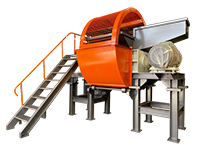
 Shredding Machine
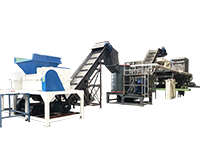 Waste Recycling Line
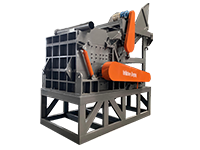 Optional Equipment
Quick answer: A tire shredder factory acceptance test (FAT) should use a written feed specification, a measured run, a defined output test, and a signed record of exceptions. Ask the supplier to demonstrate the complete equipment scope that was quoted. Record accepted output per hour, oversize material, stoppages, and the condition of guards and controls. A short video of tires entering the hopper does not establish plant capacity.
A buyer may be shown an impressive shredder running an easy batch of passenger tires for a few minutes. The planned site, however, may receive truck tires, mixed sizes, occasional bead bundles, and a downstream customer who rejects oversized chips. Those conditions change the outcome. A useful FAT turns the sales specification into a repeatable test that both buyer and supplier can review before shipment.
What can a factory acceptance test prove?
The FAT takes place at the supplier's facility before shipment. It can confirm the delivered machine's identity, included components, basic operation, controls, and performance on the agreed test material. It can also expose issues that are far cheaper to resolve before packing than after installation.
It cannot prove performance of a whole recycling line if the factory test omits the site's conveyors, screen, recirculation loop, power supply, dust collection, or downstream separator. Keep a separate site acceptance test (SAT) for those installed-system checks. The FAT and SAT should share the same definitions of feed, output, throughput, and test duration.
For context, ShreddingTech's waste tire shredder page lists broad model ranges and notes that output changes with material and discharge requirements. Treat those published ranges as a starting point for model screening. The purchase agreement needs a testable guarantee for the buyer's own feed and product.
Agree on the test boundary before the machine runs
Write down exactly what is included in the test. The boundary might be the shredder alone, or the shredder plus infeed conveyor, discharge conveyor, screen, and oversize return. If the buyer needs a specified chip size, a bare primary shredder test cannot verify the performance of a screen and return circuit that is absent from the factory floor.
Feed: identify tire classes, approximate size mix, whether tires are whole or pre-cut, and the expected level of bead wire and other contaminants. Exclude prohibited items explicitly.
Product: define the acceptable size range, the maximum oversize fraction, and any limits on protruding wire or contamination. Use the end customer's actual acceptance terms where available.
Run: define the warm-up period, timed run length, number of repetitions, and how pauses and reversals will be logged.
Measurement: name the scales, sampling points, sample size, and whether the claimed rate means feed entering the hopper or accepted product leaving the test boundary.
Responsibility: state who supplies tires, weighs material, witnesses the run, keeps the data, and signs the result.
There is no universal chip size for every tire-derived fuel user. ASTM's guide to using scrap tires as tire-derived fuel calls for evaluating fuel specifications, including size, for the particular application. An EPA scrap-tire processing fact sheet also notes that different users can require different TDF sizes and levels of metal removal. That is why the output criterion belongs in the agreement before the FAT.
Eight checks to put on the FAT sheet
1. Confirm the machine and quoted scope
Photograph the nameplate and record the model, serial number, drive power, cutter arrangement, installed screen or classifier, conveyor dimensions, and control-panel identification. Check the packing list against the contract. A machine can pass a cutting demonstration while required spares, guards, sensors, or conveyors are still missing.
2. Record the actual test feed
Weigh and photograph each batch before it enters the machine. Keep a count by tire class and record any pre-cutting, bead removal, or sorting. If the test uses cleaner or smaller tires than the contract specifies, label the result as a limited demonstration and schedule a representative run. Do not quietly convert the easier result into a guarantee for the harder feed.
3. Calculate accepted output per hour
Measure accepted product mass divided by the agreed measurement time. If a screen returns oversize pieces to the shredder, count those pieces once when they finally pass the product boundary. Logging only the mass fed into the hopper can overstate useful output when material accumulates in the system or fails the size specification.
Record both elapsed time and operating time. A result reported only for the minutes when cutters are turning hides stoppages, clearing, and adjustments. The contract should say which time basis determines acceptance; the report can show both so the result is transparent.
4. Sample the output size and quality
Take samples across the run, including after the machine reaches a steady feed rate and near the end. Record where and when they were collected. Measure the agreed size characteristic and the oversize fraction using a method the buyer and supplier can repeat. Note long strips, exposed wire, and pieces that may be rejected by the next process. A single handful chosen from the best-looking discharge pile is not a product-quality test.
5. Log load, reversals, and stoppages
Record motor current or power where instrumentation is available, along with automatic reversals, overload alarms, blocked discharges, and unplanned stops. These observations explain why a nominal capacity was or was not achieved. Keep the cause and resolution for each stop in the FAT record; do not erase a jam from the timed run without an agreed rule.
6. Review guarding and emergency functions
Check that installed guards, access points, emergency stops, and interlocks match the agreed design and the operating manual. Any functional demonstration should follow the supplier's safe test procedure and be witnessed by qualified personnel. In the United States, OSHA's machine guarding rule and hazardous-energy control rule are relevant to operating and servicing machinery. Local requirements must be checked for the installation site. A FAT is not a substitute for a site-specific safety review.
7. Inspect service access and wear items
Ask the supplier to show how cutters, spacers, screens, bearings, and hydraulic components can be inspected or replaced. Confirm the tool list, lifting points, cutter drawings, spare-part identifiers, and maintenance intervals supplied with the machine. The goal is to see the real access and handover documents, not to perform unsafe maintenance during a running test.
8. Close the exceptions before release
List each deviation with an owner, corrective action, evidence required, and due date. Separate items that must be resolved before shipment from items that can be closed at site acceptance. Both parties should sign the test record and retain the raw weights, sample results, alarm log, photos, and video. A simple “passed” stamp is insufficient if the conditions behind it cannot be reconstructed.
A worked throughput example
Suppose a buyer and supplier agree to a three-hour timed test on a representative tire mix. The input scale shows 6.0 metric tons entering the test line. At the end, 5.2 tons meet the agreed chip specification; 0.5 tons remain as oversize for return, and 0.3 tons remain in the system or are otherwise accounted for. The accepted output rate is 5.2 ÷ 3 = 1.73 metric tons per elapsed hour. Dividing 6.0 by three would report a 2.0 t/h feed rate, which answers a different question.
These numbers are illustrative, not a ShreddingTech test result or a product guarantee. The contract still needs to specify the acceptable rate, oversize fraction, and whether the run met the agreed operating conditions. A mass balance helps explain where the feed went; it does not by itself prove product quality.
FAT record: the fields worth keeping
A one-page summary can point to the detailed evidence. Include the following fields for every run:
Machine model and serial number; installed options and test boundary.
Date, location, witnesses, feed description, preparation, and starting batch weight.
Start and stop times; warm-up excluded; all pauses, reversals, and alarms.
Input mass, accepted output mass, oversize mass, and remaining material.
Accepted tons per elapsed hour and, if useful, per productive machine hour.
Sample locations, sample weights, size results, and visible quality defects.
Safety and control checks performed, with any exceptions.
Pass criterion, measured result, disposition, corrective action, and sign-off.
After FAT: verify the installed line
The SAT should repeat the relevant performance test after the shredder is installed with the site's actual feed handling, electrical supply, screening, recirculation, separation, and product discharge. Review operator training, maintenance access, and documentation in the installed configuration. A successful FAT does not make the site test unnecessary, especially when the downstream line determines saleable output.
Buyers still choosing a machine can use the tire shredder selection guide to define the feed and output, then use this FAT checklist to turn those requirements into measurable acceptance terms. For budgeting the rest of the facility, see the tire recycling plant cost guide.
Frequently asked questions
How long should a tire shredder FAT run?
There is no useful universal duration. Set a period long enough to reach a stable feed, observe repeated discharge cycles, collect samples, and expose common stoppages. State the period in the contract; a brief demonstration can still be useful, but it should not be presented as evidence of sustained capacity.
Can a FAT guarantee final rubber granule quality?
Only if the granulation, steel and fiber separation, screening, and other relevant downstream stages are included in the tested boundary. A primary tire shredder FAT normally verifies chips or shreds, not the quality of finished granules from an untested plant.
What if the specified tires are unavailable at the supplier's factory?
Document the substitute feed and limit the conclusion accordingly. Agree on a later representative test, a site acceptance condition, or another contractual remedy before authorizing shipment. Do not silently equate different tire mixes.
Planning a tire shredding line? Send the tire mix, target output, required throughput, and downstream buyer specification. Ask for a written test boundary and acceptance plan with the equipment proposal.
Review the waste tire shredder range and request a configuration.